

Have you been considering a facelift but can’t bring yourself to do it. Or, maybe your skin isn’t too bad but could use a boost. HIFU and Ultherapy are two popular non-invasive procedures used to treat the signs of aging on the face. While both use ultrasound energy, there are some key differences between the two treatments. Overall, both treatments can be effective in reversing signs of aging and possibly offer some face-lifting. However, results can vary from patient to patient depending on their skin type and expectations from their treatment plan.
What does HIFU stand for?
HIFU stands for High-Intensity Focused Ultrasound.
What is HIFU and Ultherapy?
HIFU and Ultherapy are two popular cosmetic treatments that use different types of ultrasound therapy to reduce signs of aging and restore youthful-looking skin. Both are non-invasive. So, no injections or surgery is required. Both techniques have proven to be moderately effective, providing lifted facial tissues, smoother wrinkles, and improved contours in most patients. Ultimately, deciding which ultrasound therapy to pursue should be based on their circumstances and preferences.
How do they compare
Technology
The main difference between them lies in the type of energy deployed. Hifu treatment uses high-intensity focused ultrasound beams to penetrate below the surface of the skin, while ultherapy relies on micro-focused ultrasound (MFU) technology to target deeper tissue. Ultherapy can reach depths of up to 4.5mm, while HIFU can only reach up to 3mm. Ultherapy is also unique in that it has an ultrasound imaging capability, which allows practitioners to see exactly where they are delivering the energy and ensure that the treatment is as precise as possible.
Safety
Both are similarly safe and offer effective results with minimal downtime. Ultherapy is FDA-cleared for lifting the neck, chin and brow, and improving lines and wrinkles on the upper chest. HIFU is FDA-approved for brow lifts and improving lines and wrinkles of the upper chest and neckline (décolletage). These treatments can last from 30 to 90 minutes depending on the target area.
Number of Treatments
Another difference between the two treatments is their frequency. Most people only need one treatment session of Ultherapy for optimal results; however, some may require additional treatments for more dramatic results. HIFU treatments may need to be done more frequently depending on the individual’s needs. A local medspa clinician I saw said that it would be best to at least do it two times back to back and then once a year for maintenance.
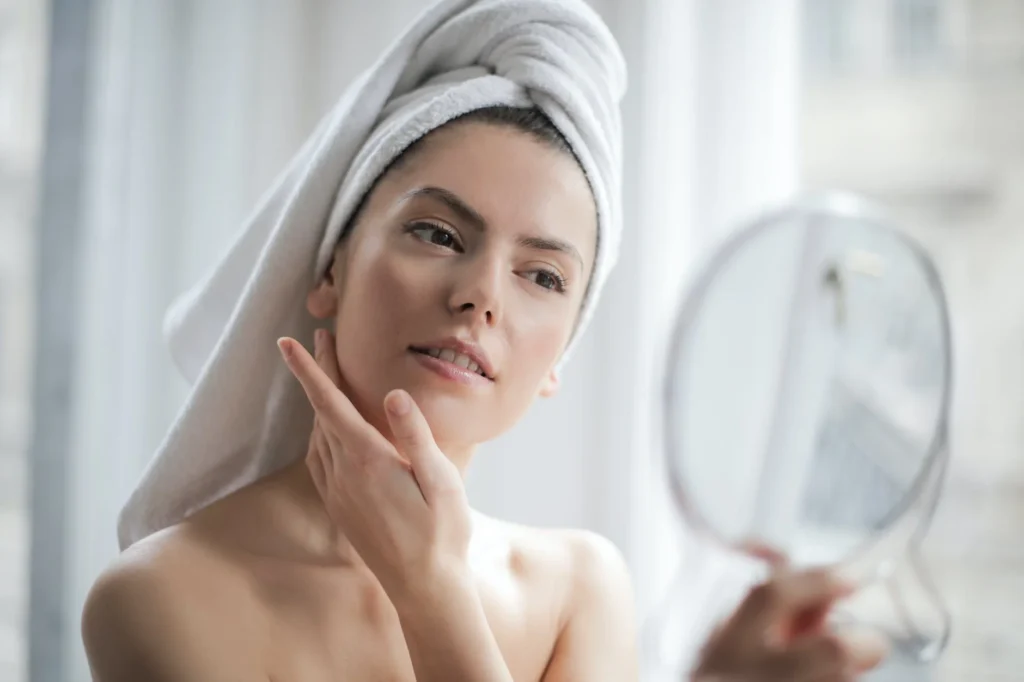
Benefits of hifu device
High Intensity Focused Ultrasound (HIFU) is a non-invasive, safe and effective treatment for skin tightening and lifting. It has been used to reduce wrinkles, tighten sagging skin around the neck, lift cheeks, eyebrows and eyelids, shrink pores, as well as contour and lift the skin to enhance facial features.
It works by stimulating the lower levels of skin and fascia layers, which is between the skin and muscles, producing new collagen which erases fine lines and wrinkles while plumping up the skin.
The benefits include smoother skin, skin lifting, reduced wrinkles, tightened sagging skin around the neck, lifted cheeks and eyebrows, improved facial contours and a more youthful appearance overall. Some initial studies are finding that it may offer some fat reduction as well. But, it’s not approved by our drug administration for killing fat cells just yet.
Benefits of ultherapy
Ultherapy is a non-invasive procedure that can help to lift and tighten the skin on the face, neck, and chest. It’s been proven to be effective in reducing wrinkles and sagging skin. The procedure uses ultrasound energy to target deeper layers of the skin, stimulating collagen production and providing long-lasting results.
The benefits include:
- Improved skin tone and texture
- Reduced wrinkles and fine lines
- Tightened skin on the face, neck, and chest
- Long-lasting results with minimal downtime
- Safe for all skin types
It’s an excellent option for those looking to reduce signs of aging without undergoing surgery or injections. With minimal downtime, it can provide a more youthful appearance with natural-looking results.
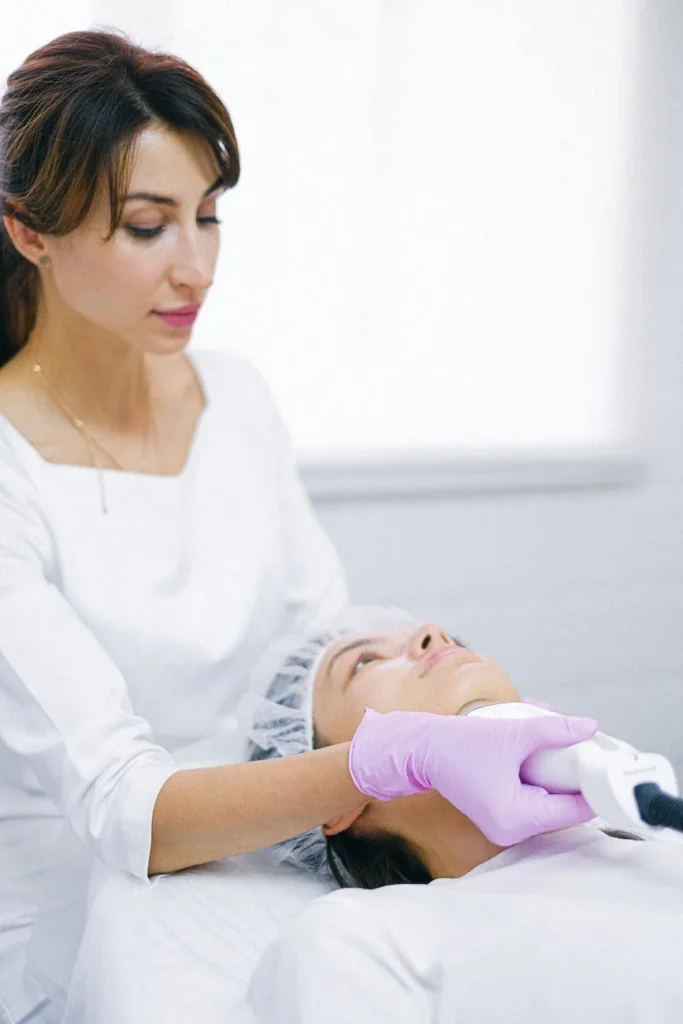
Cost comparison between HIFU and Ultherapy
The cost of Ultherapy can vary depending on the areas being treated, but typically ranges from $1,800 to $4,000. For example, in New York City, full face and neck costs $5,000, lower face and neck costs $3,800, and décolleté costs around $2,500. On the other hand, in Houston and San Antonio Texas the cost ranges between $400 and $2,800. I’m in the Midwest and I paid $2,500 for face and neck a few years ago.
HIFU is a non-invasive cosmetic procedure that is used to tighten facial skin and reduce wrinkles and fine lines. The cost of HIFU varies depending on the area being treated, but generally ranges from $1,500 to $3,500. For example, in New York City, the average cost of a full face HIFU treatment is around $2,000. In the the Midwest I paid $850 for full face and full neck. A Medspa clinic I looked at in California offered the same areas for $1,100.
Generally speaking, ultherapy has a higher upfront cost than hifu, but patients may find that they save money in the long run. On the other hand, hifu costs quite a bit less per treatment. But, you may end up spending the same amount in the end if you need multiple sessions. Ultimately it’s up to each individual’s budget and desired results to decide which treatment is right for them.
Risks associated with each procedure
While they both have minimal risks, there are some potential side effects associated with each.
Ultherapy is considered a safe procedure with few side effects. The most common side effect is mild redness or swelling in the treated area, which usually resolves within a few hours. Other possible side effects include temporary numbness, tingling, or tenderness of the skin. In rare cases, patients may experience nerve damage or eye damage following the procedure.
When I did it, I noticed swelling and slightly bruising for about a week or so afterwards. I went to work during that time in an office setting and I don’t know if others noticed, but I definitely could. I didn’t have big bruises, but could see this purple tint all around my jawline, jowls, and chin (the whole lower half of my face basically).
HIFU also has minimal risks and side effects, but because it is a blind treatment without ultrasound imaging, there is an increased risk of injuring important structures or heating up the wrong layer of skin tissue. Common side effects include redness and swelling in the treated area, as well as temporary numbness or tenderness of the skin.
When I did it, I didn’t really notice any major swelling or bruising. I was a little sore after the first time I tried it, but that was about it.
Overall, they’re both are non-invasive procedures with minimal risks and side effects. However, it’s important to consult with your doctor before undergoing any type of cosmetic procedure to make sure it’s right for you.
Do they hurt? Which hurts worse?
The canned answer for both is: some patients may experience slight discomfort but is generally well tolerated. In reality, and this is just my opinion, Ultherapy hurts way more than HIFU. Where I got my Ultherapy done, there was no numbing cream used or anything like that and the whole time I didn’t know if I could continue on. I thought it hurt pretty bad. But, I didn’t think HIFU hurt at all. Every once in awhile it’ll make me twitch like its zapping the nerves. I’ve done it several times and definitely would not need any kind of numbing or medication for pain.
Which is better HIFU or Ultherapy?
In conclusion, both are both excellent options for skin rejuvenation. While HIFU can be used on larger body parts, Ultherapy is preferable for targeting smaller areas so is used for the face mostly. Additionally, it has an ultrasound imaging device which allows practitioners to see exactly where they are delivering the energy.
In terms of results, both treatments can provide a noticeable improvement in skin laxity and wrinkles with minimal downtime. However, Ultherapy tends to offer longer results. I personally noticed pretty good results with both (nothing that anyone else would notice though). But, I preferred HIFU and felt like it was worth it. Maybe it was the smaller price tag, less downtime, but more so because I could barely take the pain of Ultherapy.
Overall, both treatments can reach deeper skin layers and improve skin elasticity, crepey skin, and reduce wrinkles. No matter which option you choose it’s important to consider the potential risks like swelling or soreness associated with each procedure. Ultimately only a qualified medical professional can help you determine which option is best suited for your individual needs.