
If you’re looking for a way to permanently reduce and remove unwanted hair, laser hair removal is an ideal solution. But what happens afterwards? Can you tweeze and shave after laser hair removal? These are common questions among those considering this procedure. In this blog post, we discuss everything you need to know about tweezing and other options you may have after laser hair removal treatments. We’ll explore the latest research and advice from experts in the field as well as lay out steps you can take between treatments to ensure successful results while avoiding potential complications such as skin irritation and changes in pigmentation of the skin.
What is laser hair removal and how does it work
Laser hair removal is an increasingly popular method for permanently reducing unwanted body hair. It uses a beam of highly-concentrated light to penetrate the skin and target the underlying hair follicles without damaging the surrounding skin. The heat from the lase targets the melanin in the hair follicles, destroying hairs down to the root and preventing future hair growth.
Benefits of laser hair treatment
Laser hair removal is a safe, effective way to reduce unwanted body and facial hair. It requires no downtime and the procedure is relatively painless compared to other options like waxing or electrolysis. The results of laser hair removal are long lasting and can save you time on your beauty routine since there’s no need for regular maintenance like tweezing, waxing, or threading.
What happens if I pluck after laser hair removal?
If you pluck hairs after laser hair removal, it will interfere with the treatment. The laser works by targeting the follicles, which are the root of the hair. If you pluck the hairs, you are removing the root and making it impossible for the laser to reach it. Not only does this make the laser treatment ineffective, but it can also lead to possible skin irritation and inflammation. It is best to avoid plucking or waxing after laser hair removal to ensure that your treatment is effective. Instead, you can use a razor or depilatory cream to remove the hairs that have been treated. This is a much safer and more effective way to remove hairs after treatment.
Disadvantages of tweezing after laser hair removal
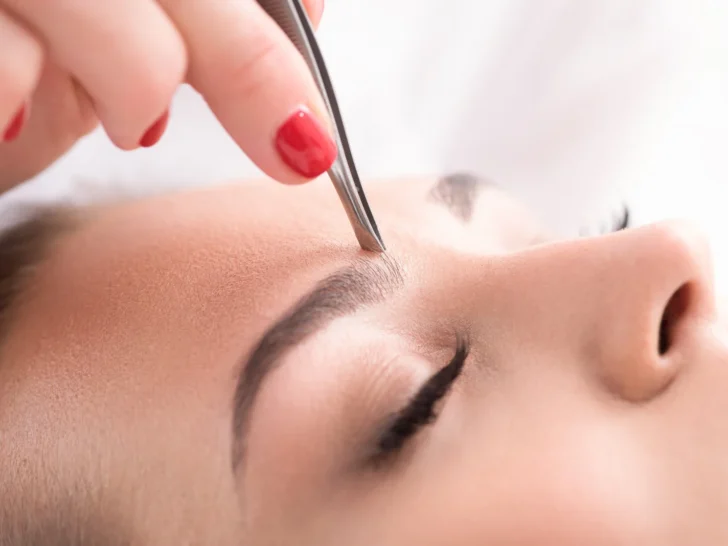
Tweezing after laser hair removal can be a tempting option for those looking to remove excess facial or body hair. However, tweezing can actually hinder the effectiveness of laser hair removal treatment, making it an appealing yet ultimately counterproductive choice. While plucking individual hairs may seem like a quick solution, doing so may disrupt the progress of the treatments, meaning you would end up having to spend more time and money in order to achieve the desired results. Additionally, tweezing can also cause redness, irritation and inflammation to the area being treated which can further impede progress and lead to even more skin complications.
Can you shave after laser hair removal?
Yes, you can shave after laser hair removal. However, it is important to be careful when shaving after your treatments as laser hair removal can leave the skin more sensitive than usual. Make sure to use a razor with a fresh blade and shave gently to minimize irritation or pain. Additionally, it is important to use a moisturizer after shaving to help soothe the skin and prevent ingrown hairs.
When can you shave after laser hair removal?
Generally, you can begin shaving your treated area around three to four days after each treatment. It’s best to wait until the skin has healed before beginning to shave. If you experience any irritation, burning, or pain when shaving, be sure to stop immediately and contact your doctor for advice. Overall, it is important to follow the instructions of your doctor when shaving after laser hair removal, as they can help ensure safe and effective treatment.
How can I speed up shedding after laser hair removal?
One way to speed up shedding after laser hair removal is to exfoliate regularly. Exfoliating removes dead skin cells and helps the new, thin hairs come to the surface faster. It’s best to use gentle exfoliants and avoid scrubbing your skin. It’s also important to keep the treated area clean and moisturized, as these steps can help the shedding process move along more quickly. However, the best advice will always be given by the laser hair removal practitioner you went to.
Tips for caring for skin after laser hair removal
Afterwards, it’s important to take care of your skin to ensure optimal healing. First, stay out of direct sunlight for at least two weeks following treatment – if you must be in the sun, wear ample sunscreen. You should also avoid picking or scratching so any scabs or redness have time to heal properly. Be sure to cleanse and moisturize daily with a gentle cleanser and fragrance-free moisturizer to keep the skin hydrated, supple and healthy. If any itching occurs, apply a cold compress or aloe vera gel for relief. Finally, wear breathable clothing that won’t irritate or rub against the treated area. Following these simple steps will help you maintain beautiful smooth skin after your laser hair removal session!
It is important to remember that it takes several cycles of treatments to reach your desired results. Therefore, it is important to avoid any activities that could interfere with the effectiveness of your treatment. Regularly plucking hairs after laser hair removal can delay the process, so it is best to wait until your treatment is complete and then you can resume normal hair removal habits.